Why Do Some People Find Soup Slurping So Soothing?
Tingles and Triggers: The Soothing World of ASMR Secrets

Today, let’s dive into ASMR – what it is, how it works, and why millions are hooked on ASMR videos.
Ever felt a tingling that starts at the top of your head and runs down your spine, maybe even reaching your fingers and toes? That’s ASMR, or Autonomous Sensory Meridian Response. It’s a pleasant, often relaxing sensation that some people feel when they hear certain sounds like whispering, finger tapping, and hair brushing. It’s a pretty niche experience because not everyone feels it, but those who do often describe it as a “braingasm.”
The ASMR community online is thriving. People flock to it for relaxation, often watching videos where creators perform activities like crumpling paper, brushing hair, or even eating noisily. Yeah, I know, the idea of someone slurping soup might drive you up the wall, but for someone sensitive to ASMR, it can be strangely soothing.
Science is still figuring out what’s happening in our brains during ASMR. Research is ongoing, but a 2018 study from the University of Sheffield found that about half the people tested felt the tingles when exposed to ASMR triggers. Some think ASMR might be linked to synesthesia, where one sense involuntarily triggers another, akin to how some might hear colors or taste sounds.
For those not into ASMR, this might seem weird, maybe even annoying. Misophonia, for example, is when certain sounds trigger intense emotional responses. Think nails on a chalkboard. I can’t stand the sound of nails on cardboard; it sends chills down my spine. Similar to misophonia, ASMR sounds trigger pleasant feelings for those sensitive to them.
Visual ASMR is also a big deal. Videos featuring soap cutting and slime squishing rack up millions of views and bring about a sense of calm for many. Combining these visual and auditory triggers, we get icons like Bob Ross, whose mellow voice and brush strokes have an undeniable ASMR effect. Watching Bob Ross paint is like getting a cozy brain massage.
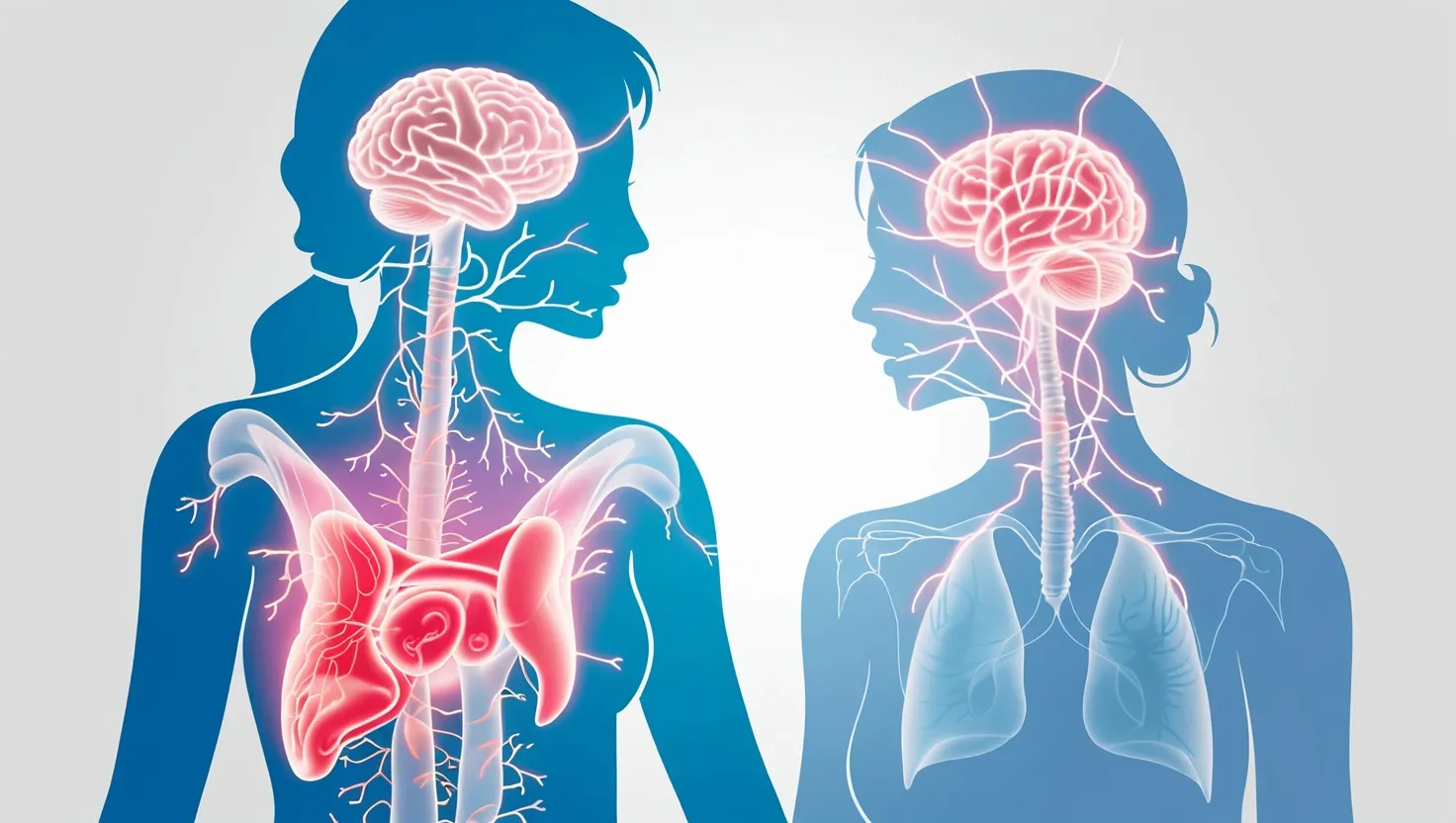
During an ASMR experience, brain scans show activity similar to people feeling cared for or groomed. ASMR creators, known as ASMRtists, often role-play grooming activities like hair brushing or give gentle personal attention, which many find incredibly soothing. It’s proven to lower heart rates, reduce blood pressure, and cut down stress hormones like cortisol and adrenaline. Essentially, it’s like meditating.
Why does ASMR work for some and not others? We don’t entirely know yet. Everyone’s brain is different, shaped by individual life experiences and environments. The phenomenon is just another testament to how fascinating and complex the human brain is.
Are you sensitive to ASMR? Do certain triggers give you those tingles? Share your experiences in the comments - let’s keep the discussion going. If you enjoyed this, don’t forget to share this post.