mysteries

Did You Know These Shocking Truths About History's Weirdest Myths?

Mind-Blowing Myths and Curiosities: Debunking Popular Beliefs
Did You Know These Shocking Truths About History's Weirdest Myths?

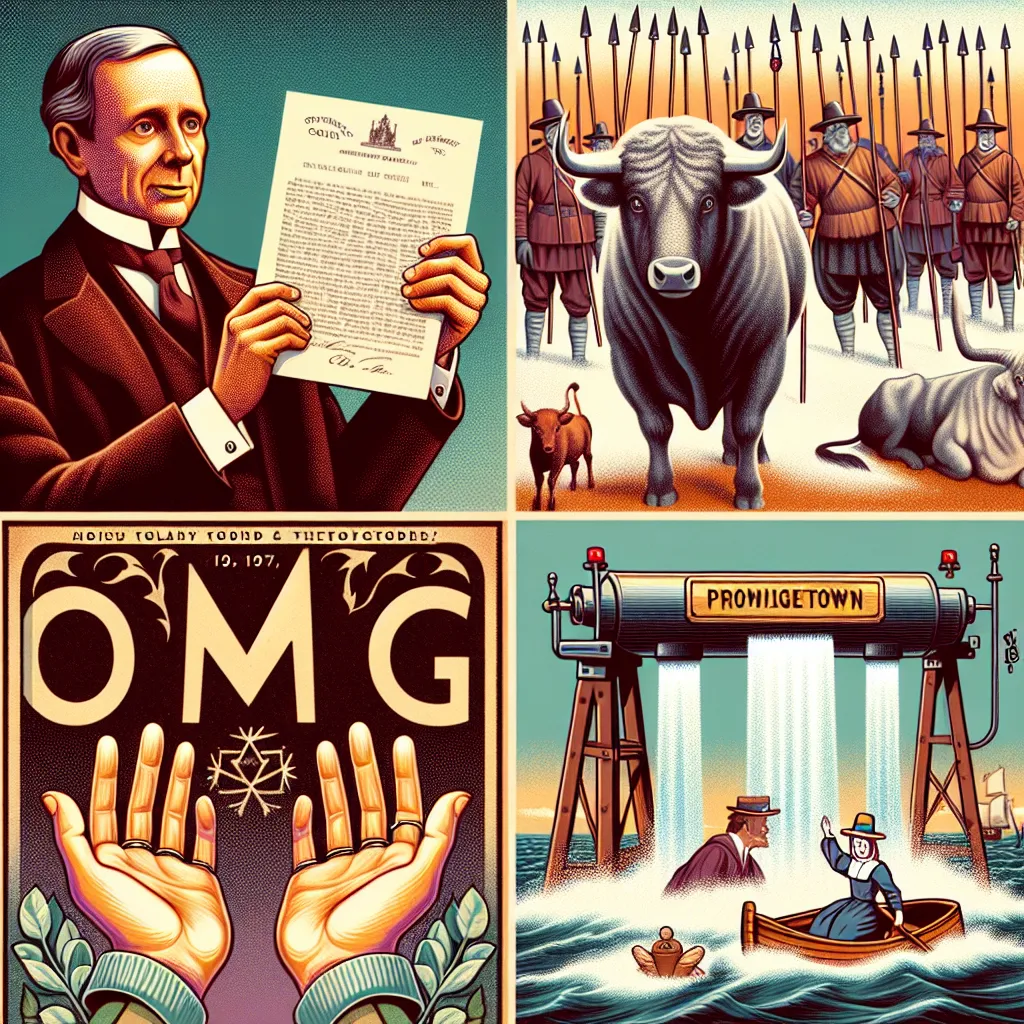
You might think OMG, the popular acronym for “Oh My God,” is a recent creation, but it actually dates back to 1917. The first known use of OMG was in a letter to Winston Churchill, which is a mind-blowing fact for sure.

When it comes to bulls seeing red, that’s a big myth. Bulls are actually colorblind. What makes them angry isn’t the color red but the spears used to torment them before the bullfighter even steps into the ring.

Some people claim to be able to hear the difference between hot and cold water pouring. Believe it or not, that’s true. Cold water is more viscous and thicker, which gives it a lower frequency. People can pick up on this difference with almost perfect accuracy.

You might have heard that SOS stands for “Save Our Ship” or “Save Our Souls,” but that’s not true. SOS became the standard distress signal because it’s incredibly easy to transmit: just three dots, three dashes, and three dots.

Lastly, the first pilgrims from the Mayflower didn’t actually land on Plymouth Rock. They first landed in Provincetown and only moved to Plymouth Rock about five weeks later.

It’s fascinating how many common beliefs turn out to be myths or have such curious backstories.



Similar Posts
Blog Image
Can We Survive the Illusion of Continuity?

The Fragile Fabric of Forever: Dino Dominance and Earth's Asteroidal Rebirth

Blog Image
Hijacking Futurism: The Max Headroom Mystery That Punked Chicago TV

Breaking Broadcasts: When A Fictional AI Foretold Our Media Obsession and Challenged Chicago's Airwaves in the 80s

Blog Image
Did a Tubercular Teacher Really Time Travel to 3906?

Whispers of Tomorrow: One Man's Journey Into the Futurescape Caught Between Reality and Dream

Blog Image
The Manananggal: Does This Terrifying Creature Still Roam the Night in the Philippines?

The Manananggal, a Filipino mythical creature, splits in half and flies at night. It preys on unborn babies, symbolizing cultural fears and colonial influence. Today, it's reimagined in literature as a complex character representing Filipino identity and experiences.

Blog Image
**The Kyshtym Nuclear Disaster: Why Scientists Still Can't Solve This 1957 Radiation Mystery**

Learn about the Kyshtym nuclear disaster of 1957 - the missing data, long-term contamination effects, and why this Soviet accident remains an unfinished equation in nuclear science today.

Blog Image
Exploring Antarctica's Frozen Mysteries: Operation High Jump and the Secrets Beneath the Ice

Admiral Byrd’s Antarctic Mystery: UFO Tales, Secret Bases, and the Whispers of An Ancient Arctic Enigma